
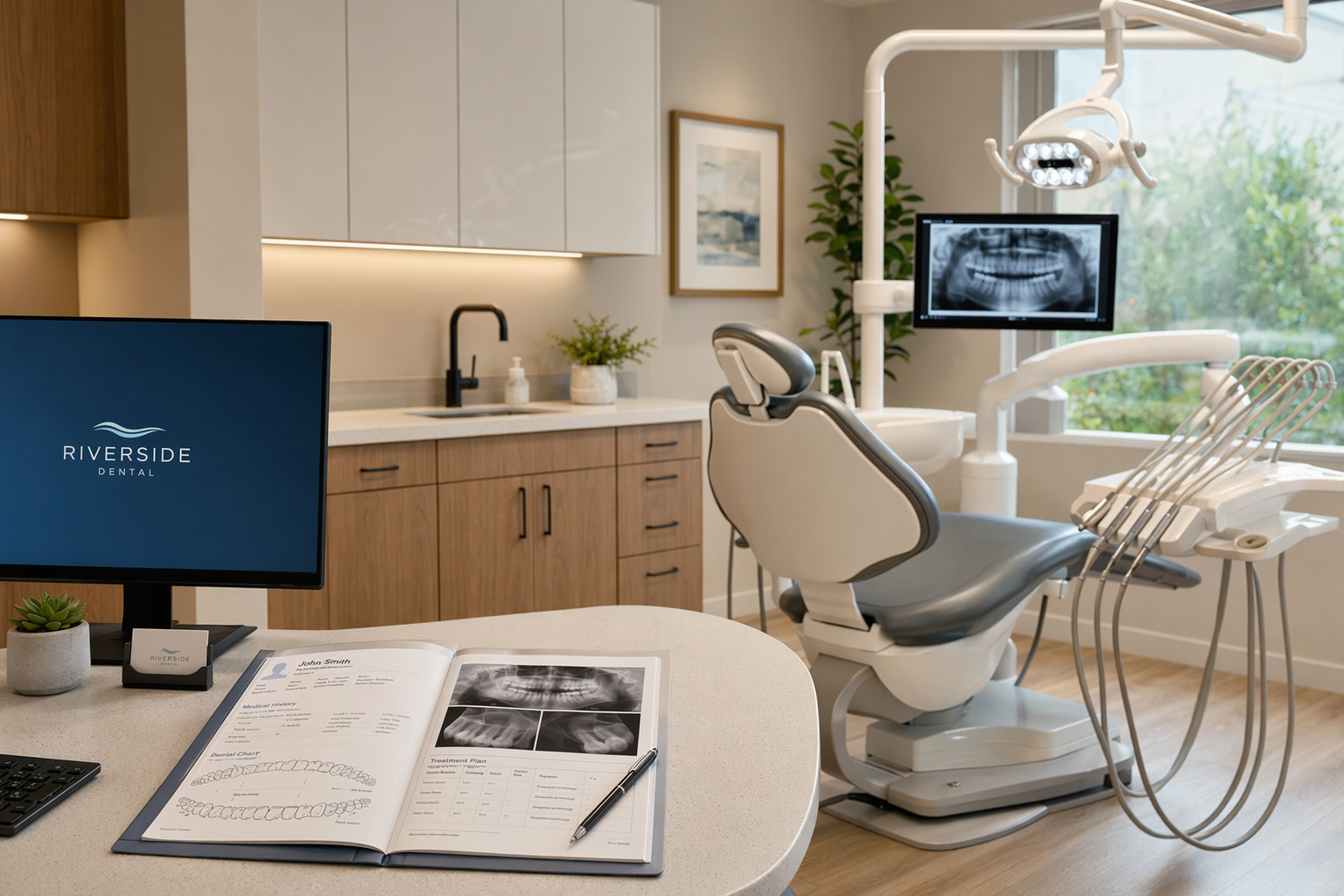
A patient arrives for the first time. They sit in the chair, a little nervous, perhaps in pain, perhaps just for a routine check-up. At that moment, something more than a treatment begins — a legal and clinical relationship that may last for decades. And the foundation of that relationship is documentation. Properly maintained, complete, signed. A win-win for both parties.
01Why It MattersDocumentation as Mutual Protection
Health documentation is not bureaucracy. It is the patient's story written in a language understood by a court, an insurance company, and a colleague who takes over the patient ten years from now. A dentist without complete documentation is like a pilot without a black box — as long as nothing goes wrong, no one thinks about it. The moment a dispute arises, it is the first thing a lawyer reaches for.
And the patient? They have the right to know what was found, what was proposed, and what they agreed to. Documentation is their medical memory. Without it, every new visit — with you or with another dentist — starts from scratch.
02Personal and Contact DetailsA Foundation That Must Not Be Underestimated
It may seem trivial, but missing or outdated contact information is one of the most common problems in practice. What must be recorded at the first visit:
- Full name and date of birth — patient identification without possibility of confusion
- Permanent address — legal relevance in the event of a dispute or transfer of documentation
- Phone number and email — for communication, reminders, urgent contact
- Health insurance provider and insurance number — essential for billing care
- Emergency contact person — especially for elderly patients or patients with systemic conditions
- How the patient heard about the practice — marketing data, but also the legal context of referrals
Each of these details has its reason. None is superfluous.
03Medical HistoryWhere Real Clinical Protection Begins
The medical history is the heart of the first visit. It is where the dentist learns what the patient brings — not just to their mouth, but to the entire treatment relationship. A properly taken history protects the patient from complications and the dentist from accusations of negligence.
General medical history must include:
- Current systemic conditions (cardiovascular, metabolic, autoimmune, oncological)
- Medications in use — including over-the-counter drugs, dietary supplements, and anticoagulants
- Allergies — drugs, latex, disinfectants, materials
- Previous surgical procedures and hospitalisations
- Bleeding disorders or healing impairments
- Pregnancy or planned pregnancy
- Psychiatric history relevant to cooperation and consent
Dental history then completes the picture:
- Previous dental treatments and their outcomes
- Experience with anaesthesia — complications, fear, syncope
- Dental phobia or anxiety (a 0–10 scale rating is simple and clinically valuable)
- Most recent X-rays and where they are stored
- Reason for leaving the previous dentist
The most common question from a forensic expert is not "what did you do" but "why did you do it and what did you know beforehand".
Radek Mounajjed · Cicero Education
04Patient's WishesWhat the Patient Wants — and Why It Must Be Recorded
Here lies one of the most underestimated elements of the first visit. The patient arrives with expectations. Sometimes realistic, sometimes not. And if this expectation is not recorded, it creates space for misunderstandings, disappointment, and disputes.
Chief complaint — the main complaint or wish — must be recorded verbatim, ideally in the patient's own words. "I want white teeth" is different from "I want to fix a front tooth after an injury". Both lead to a different plan, a different price, a different outcome.
It is also necessary to capture:
- Aesthetic wishes — what the patient considers a problem, what they would like to change
- Functional complaints — pain when chewing, sensitivity, bleeding gums, teeth grinding
- Time and financial expectations — how much the patient is willing to invest and over what timeframe
- Previous dissatisfaction — if the patient is coming from another dentist, why did they leave?
This part of the documentation is not just clinical — it is the basis for informed consent and the foundation of trust.
05Clinical ExaminationWhat Must Be Documented, Not Just Observed
An examination without a record is like a diagnosis without treatment — incomplete. The clinical examination at the first visit must be systematic, and its findings must be recorded in a structured manner.
Extraoral examination:
- Facial asymmetry, swellings, lymph nodes
- Temporomandibular joint — clicking, limited opening, pain
- Lips and corners of the mouth
Intraoral examination:
- Condition of mucous membranes — tongue, palate, buccal mucosa, floor of the mouth (oral cancer screening)
- Periodontal status — at minimum BPE (Basic Periodontal Examination) or full periodontal charting
- Condition of each tooth — carious lesions, fillings, crowns, endodontically treated teeth, fractures
- Occlusal relationships — normal occlusion, crossbite, deep bite, abrasion, bite force
- Hygiene index — patient motivation and baseline status
Imaging documentation:
- Orthopantomogram (OPG) as standard for the entry examination
- Intraoral X-rays as clinically indicated
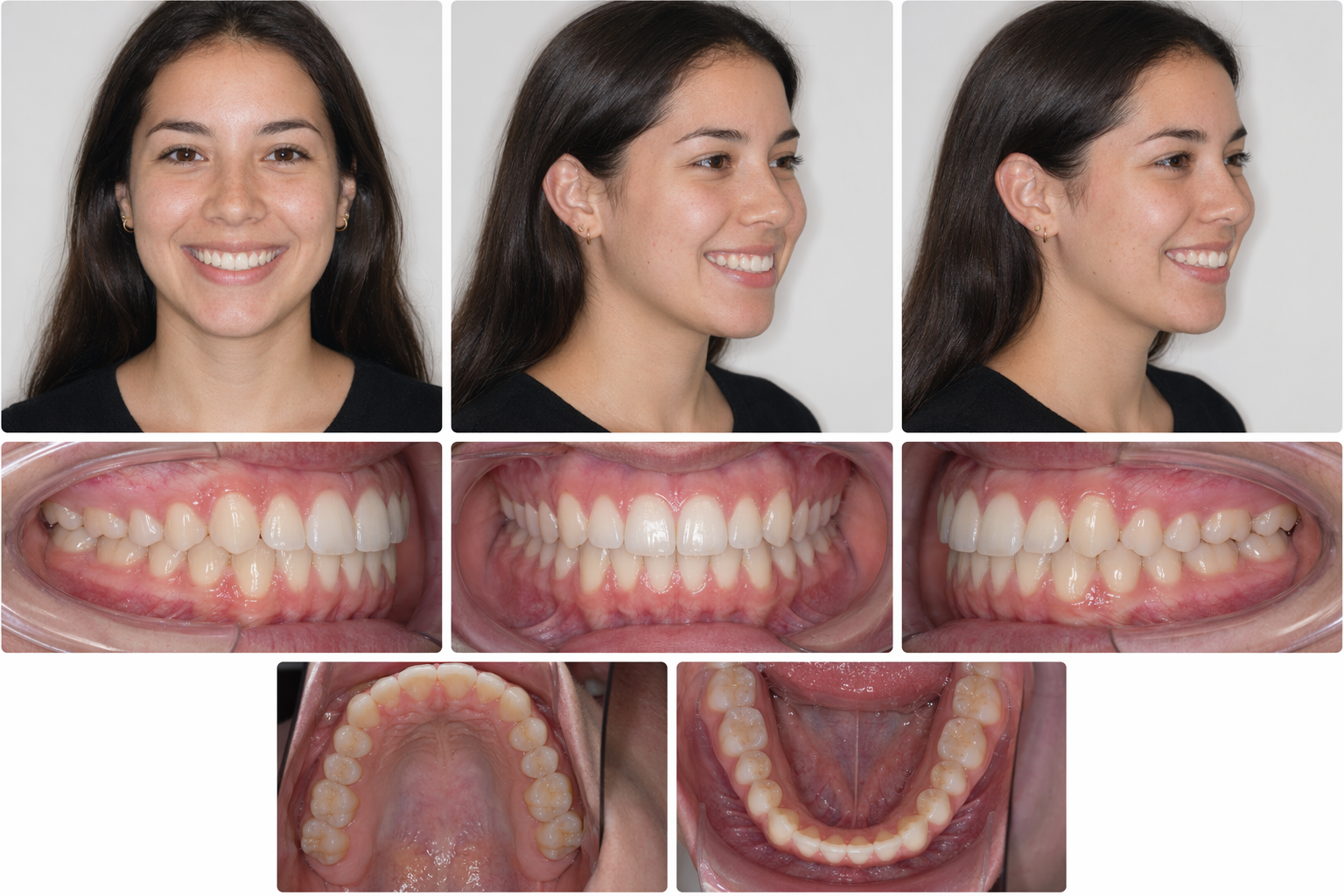
- Photographic documentation — extraoral and intraoral, ideally standardised
06Treatment Plan and ConsentWhere Documentation Becomes a Contract
The entry examination does not end with the examination itself. It ends with a conversation — and this conversation must be recorded. The patient must leave with a clear understanding of what was found, what is being proposed, and what they have agreed to.
The documentation must contain:
- Diagnoses — clearly formulated, ideally with codes
- Proposed treatment plan — prioritised, with alternatives
- Informed consent — signed, dated, comprehensible. Not a form hidden in a drawer, but a document the patient has genuinely read.
- Refusal of treatment — if the patient declines part of the plan, this must be recorded with their signature
- Date and signature of the treating clinician
Well-maintained documentation from the first visit is not an administrative burden. It is an investment — in patient safety, in the credibility of the practice, and in the dentist's peace of mind.

👨⚕️ doc. MUDr. Radek Mounajjed DDS., PhD. 🦷 D.C.M. Clinic 🎓 Associate Professor, Palacký University Olomouc, Czech Republic 📚 CICERO Cofounder ⚖️ Certified Court Expert in Dentistry
View educator profile